Think about the last time a guest had a genuinely great experience at your restaurant. They loved the food. The service was attentive. They left smiling, maybe even told the staff on their way out that they would definitely be back.
And then what?
For most restaurants, the honest answer is nothing. The guest walks out the door, and the relationship simply stops. No follow-up. No record that they were ever there. No way to reach them when something new is happening. Just silence, and the hope that they remember you fondly enough to return on their own.
That hope is not a strategy. And for most African restaurants, poor restaurant guest retention is quietly one of the most expensive problems in the business.
The Moment Most Restaurants Forget About
The restaurant industry spends a lot of energy on the dining experience itself. How the food looks and tastes. How quickly guests are seated. How well the staff are trained. How the music feels at 8pm on a Saturday. All of that matters, and it deserves the attention it gets.
But there is a moment that almost nobody designs for, and it is the moment the guest walks out.
That moment is where relationships either continue or end. In most restaurants, they end. Not because the guest did not enjoy themselves. Not because they have decided never to return. But because nothing is connecting them back to you. No thread. No touchpoint. No reason that lands in front of them at the right time.
Restaurants that understand this have a significant advantage over the ones that do not. Because the cost of bringing back a guest who already loves you is a fraction of the cost of finding a new one.
Why Repeat Business Is Harder Than It Looks
There is a version of this problem that restaurant owners dismiss too quickly. The thinking goes, if the food is good and the experience is great, guests will come back. Word of mouth will bring new people. The restaurant will grow.
And sometimes that is true. But it is inconsistent, and inconsistency is a fragile foundation for a business.
The reality is that your guests live busy lives. They have dozens of restaurants competing for their attention on any given weekend. They see recommendations on social media. Friends suggest new places. The city keeps opening new spots, and novelty is a powerful pull.
Your restaurant being good is not enough to guarantee they think of you at the right moment. You have to be present in some way that reminds them you exist, that something new is happening, that there is a reason to come back now rather than eventually.
Most African restaurants have no way of doing that. Not because they do not want to. But because they have no system that makes it possible.
The Information Problem
Here is the core of the issue. When a guest dines at your restaurant and leaves without booking through any kind of system, you know almost nothing about them. You do not have their name in a reliable record. You do not know how often they visit. You do not know what they ordered or whether they have any preferences. You have no way of contacting them.
They are a face you might recognise next time they walk in. And if they do not walk in, they are gone.
This is the post-dining gap. The space between a great meal and the next visit, where most restaurants have absolutely no presence.
Filling that gap does not require aggressive marketing or expensive campaigns. It requires something much simpler: knowing who your guests are and having the ability to reach them when it matters.
When you know that a guest visits every few weeks and suddenly two months go by without seeing them, you can reach out. A simple message. An invitation to a new menu launch. A note acknowledging that you have missed them. Small gestures that communicate something important, which is that your restaurant sees them as a person, not just a cover.
That is the kind of thing that builds loyalty. Not a loyalty card with a stamp. Real loyalty, rooted in the feeling of being known.
What the Best Restaurants Do Differently
The restaurants that consistently retain guests are not always the ones with the best food or the most impressive interiors. They are the ones that make guests feel like they belong there.
That feeling does not happen by accident. It is built through small, consistent acts of recognition over time. Remembering a name. Knowing that a guest prefers a specific table. Reaching out before a birthday or an anniversary that was mentioned in passing. Being the first to share something new because a guest feels like they are part of your inner circle.
None of this requires a large team or a complicated operation. It requires a system that captures the right information and helps you use it at the right time
The Real Reason Restaurant Guest Retention Fails
If you surveyed the guests who visited your restaurant once and never returned, most of them would not say the food was bad. A small number might. But the majority would give you an answer that feels impossible to act on. They forgot. Life got busy. They tried somewhere new and it became a habit. Nothing reminded them to come back.
That is not a food problem. It is not even a service problem. It is a relationship problem. And like all relationship problems, it comes down to whether you stayed in touch.
The restaurants that win on repeat business are the ones that do not leave that to chance. They have a way of staying present in their guests' lives without being intrusive. A reminder before a favourite event. An early invitation to something exclusive. A simple acknowledgement that says, we remember you, and we would love to see you again.
That is not complicated. But it requires infrastructure that most restaurants do not currently have.
Building the Bridge Between Visits
The post-dining gap is not an unsolvable problem. Restaurant guest retention is a systems problem, and systems can be built.
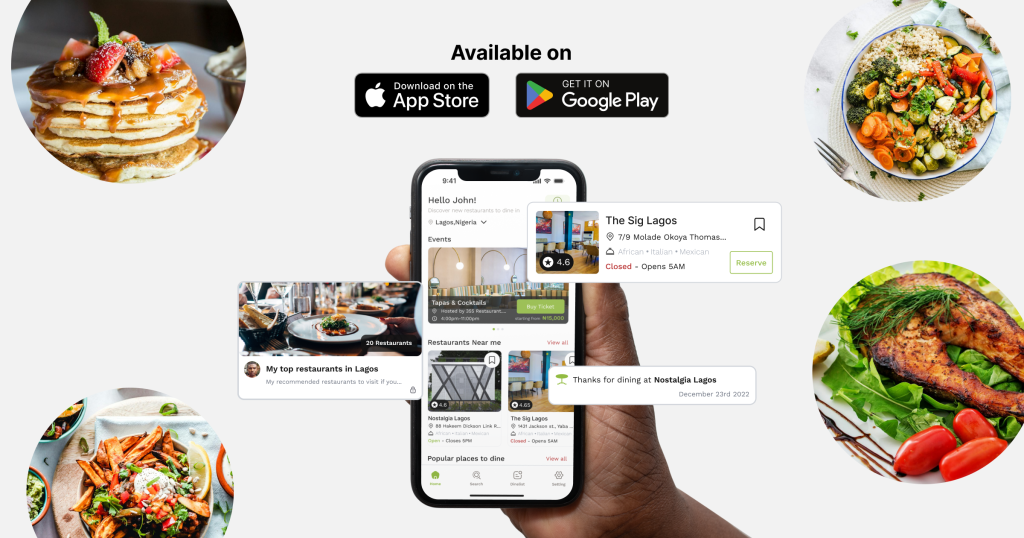
The starting point is knowing who your guests are. That means moving beyond walk-ins with no records and WhatsApp bookings that disappear into a chat history. It means having a reservation and guest management system that builds a profile over time, one that captures visit frequency, preferences, and the kind of detail that turns a transaction into a relationship.
The next step is staying present. Not in a way that feels like spam, but in a way that feels relevant and personal. Letting guests know about a new menu before the general public. Reaching out around an occasion that matters to them. Inviting your most loyal guests to something special.
These are not radical ideas. They are what good hospitality has always looked like. The difference now is that technology makes it possible to do this at scale, consistently, without it depending entirely on one person's memory or effort.
A Question Worth Sitting With
The next time a guest leaves your restaurant after a meal they clearly enjoyed, ask yourself what happens next. What does the relationship look like between now and their next visit? What are you doing to stay part of their world in a way that is meaningful?
If the answer is nothing, that is the gap worth closing.
Because the food got them in the door. What keeps them coming back is everything that happens after they leave.
About Dinesurf
Dinesurf is the Guest Growth OS for hospitality brands across Africa.
We help restaurants, lounges, nightlife venues, and experience-led operators attract the right guests, convert demand into paid bookings, and turn first-time visits into repeat revenue — all from one connected system.
We are not just another restaurant software. We are the commercial growth layer built specifically for African hospitality — priced for this market, backed by a local team, and invested in the growth of the continent's dining culture.