There is a moment, right before someone decides what to order, when they are looking at a picture and deciding whether they want it. Not tasting it. Not smelling it. Just looking. And in that moment, a photograph is doing the selling that your kitchen cannot do yet. Get the photo right and the order is half won. Get it wrong, or skip it entirely, and you have quietly handed that customer to the restaurant whose picture looked better.
This is why restaurant food photography has stopped being a nice extra and become a core business skill. Your dishes now have to look good in more places than ever, on your menu, your website, your delivery app listing, your Instagram, your Google profile, and every one of those images is doing sales work whether you planned it or not. The good news is that you do not need a studio or an expensive camera to make food look irresistible. You need light, a few habits, and an understanding of what actually makes a plate photograph well.
The numbers on this are hard to ignore. DoorDash, in a study of more than 15,000 small business merchants, found that menus with item photos get up to 44 percent more monthly sales. Research also shows that a large majority of customers want to see a photo of a dish before they order it, especially online. As covered in Snappr's breakdown of restaurant menu data, photos and descriptions together can lift conversion dramatically, because people decide with their eyes long before their taste buds get a say.
There is a simple reason for this. The human brain processes an image far faster than a block of text. A hungry person scrolling a menu does not read carefully. They scan, they react to what looks good, and they stop on the picture that triggers the craving. A great photo is not decoration sitting next to your food. It is the trigger that turns a browser into a buyer.
If you remember one thing about food photography, remember this: light matters more than your camera. A phone photo taken in good light will beat a professional camera shot taken in bad light every single time.
Natural light is your best friend. Indoor restaurant lighting, especially warm yellow bulbs, casts colours that make food look tired and unappetising. Daylight, on the other hand, shows food as it really is, fresh and true to colour. The trick is to shoot near a window, using soft, indirect daylight rather than harsh direct sun, which throws hard shadows and blown-out highlights. Early morning or late afternoon light is gentler than the hard midday glare.
Avoid your camera flash at all costs. Flash flattens food, kills its texture, and creates ugly reflections on sauces and plates. If your space is dark, it is far better to move the dish closer to a window, or invest in one affordable softbox light, than to rely on the flash built into your phone.
One more light tip that professionals swear by: light your food from the side or slightly behind, not from the front. Side lighting creates gentle shadows that give the food depth and make textures, the crispiness, the steam, the glaze, actually visible. Front lighting makes everything look flat.
Once your light is right, how you frame the dish is what separates a snapshot from a mouthwatering image. A few reliable principles will carry you a long way.
Choose the right angle for the dish. There are three angles worth knowing. The overhead shot, taken directly from above, works beautifully for flat dishes, spreads, and colourful plates like salads or a full table. The 45-degree angle, roughly how the dish looks to you when seated, is the most natural and flattering for most plated meals. And the straight-on shot is perfect for tall food with layers, like a stacked burger or a dessert, where height is the selling point. Match the angle to the food rather than shooting everything the same way.
Keep the background simple. The food is the star, so nothing should compete with it. A clean surface, a plain table, or a simple textured background such as wood or stone lets the dish stand out. A busy, cluttered background pulls the eye away and makes even great food look chaotic.
Use the rule of thirds. Instead of parking the dish dead centre, imagine the frame divided into a grid of nine and place the key element slightly off-centre. Most phone cameras can display this grid in the settings. It is a small adjustment that instantly makes images feel more considered and professional.
Fill the frame and get close. Empty space around a small dish makes it look lonely and unappealing. Move in so the food dominates the frame, and let the details, the melt, the char, the garnish, do the work.
Food styling sounds intimidating, but at its heart it is just making the plate look its best on purpose rather than by accident. A few habits make an enormous difference.
Shoot it fresh. Food photographs best in the first minutes after it is plated, while it still looks alive. Melting, wilting, congealing, and steam disappearing all happen fast, so have your shot planned before the dish leaves the kitchen. Cold, sagging food never photographs well, no matter the lighting.
Add a hint of life to the plate. A scatter of fresh herbs, a final drizzle of sauce, a wipe of the plate rim to remove smudges, these tiny touches lift a dish from ordinary to appetising. Garnish is not cheating. It is the difference between a plate that looks made with care and one that looks rushed.
Show, do not hide, the texture. The whole point is to make people feel the food. A little steam rising from a hot dish, a deliberate cut into a burger so the layers spill, a fork lifting a strand of pasta, these communicate freshness and taste in a way a static plate cannot.
Be honest about portions. This one matters commercially. Your photo is a promise. If the picture shows a generous, overflowing plate and the guest receives a modest one, you get a disappointed customer and, increasingly, a bad review or a refund request. Style the food to look its best, but keep it true to what you actually serve.
A single beautiful photo is good. A whole menu of photos that look like they belong together is far more powerful, because it signals a restaurant that takes itself seriously. Mismatched images, some bright, some dark, some overhead, some angled, make even good food look disorganised.
Decide on a simple, repeatable style. The same background, the same lighting setup, the same general angle across your dishes creates a clean, branded look that carries across your menu, your delivery listing, and your social feeds. This consistency is one of the quiet things that makes a small restaurant look established and trustworthy.
Keep your photos current, too. A photo that no longer matches the actual plating, portion, or garnish of a dish causes confusion and complaints. When you change how a dish looks, update its picture.
Once you have strong images, put them everywhere they can earn their keep. Your digital menu and online ordering page are the obvious priority, since that is where the buying decision happens. Your reservation and booking pages benefit too, because appetising images build anticipation before a guest even arrives. And your social media and Google profile are where new customers form their very first impression of your food.
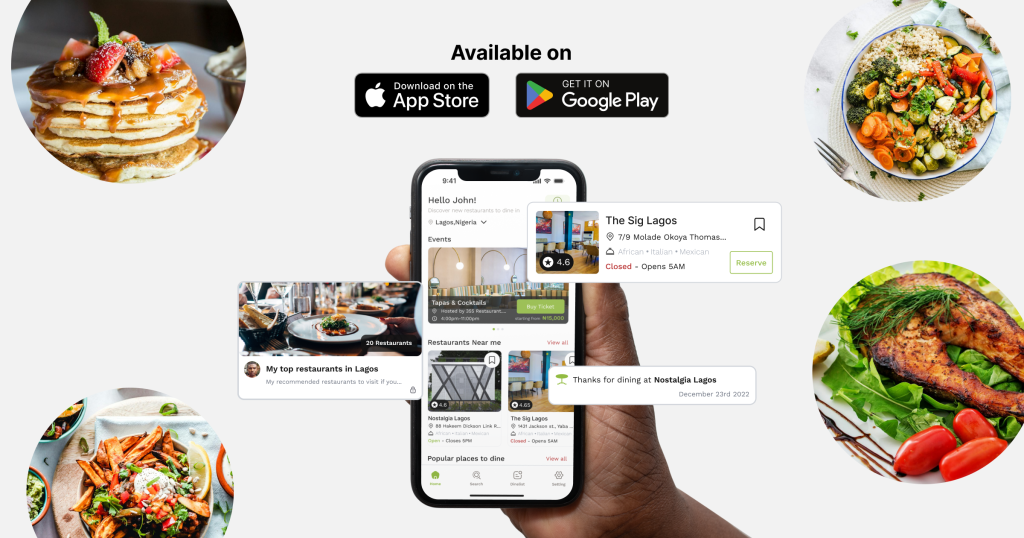
This is also where good tools matter. A restaurant that manages its bookings, menu, and guest experience through a single platform can put its best images to work across every guest touchpoint rather than scattering them randomly. Platforms like Dinesurf help restaurants present a polished, consistent face to guests from the first click to the final bill, and strong food photography is a big part of that first impression.
Great restaurant food photography is not about expensive gear or artistic talent. It is about respecting how people actually choose where and what to eat, with their eyes first. Master your light, frame the dish with intention, style the plate with care, keep your look consistent, and stay honest about what you serve. Do that, and your food will sell itself in every place a hungry person might see it.
Your dishes already taste irresistible. The job of the photograph is simply to tell that truth before the first bite. In a market where the picture often gets the order, that is a skill worth taking seriously.
Dinesurf is the Guest Growth OS for hospitality brands across Africa.
We help restaurants, lounges, nightlife venues, and experience-led operators attract the right guests, convert demand into paid bookings, and turn first-time visits into repeat revenue, all from one connected system.
We are not just another restaurant software. We are the commercial growth layer built specifically for African hospitality — priced for this market, backed by a local team, and invested in the growth of the continent's dining culture.