Why WhatsApp Works Differently Here
To understand why Africa is ahead on this, you have to understand how people communicate here.
WhatsApp is not just a messaging app in most African markets. It is the default. In Nigeria alone, WhatsApp reaches 95 percent of Nigeria's internet users, 97 percent in Kenya, and 96 percent in South Africa. Across Kenya, Rwanda, Ghana, and beyond, it is where people make plans, share news, run businesses, and stay in touch with the people who matter to them.
When a restaurant communicates with a guest through WhatsApp, it is not sliding into an inbox that gets opened twice a week. It is landing in the same space where that person talks to their family, confirms plans with friends, and runs their daily life. The message feels personal because the channel is personal.
Compare that to email, where the average open rate in the hospitality industry hovers around 20 to 25 percent. WhatsApp messages see open rates of up to 98 percent. That gap is not incremental. It is the difference between being seen and being ignored.
What Restaurants Are Actually Using It For
The restaurants getting the most out of WhatsApp marketing are not just sending broadcast messages and hoping for the best. They are using the platform strategically, across the entire guest journey.
Reservation confirmations and reminders
A guest books a table for Saturday. They get an immediate confirmation on WhatsApp, not an email they might forget to check. The day before, a reminder goes out. The morning of, a friendly note with parking tips or a mention of the evening's special. No-shows drop. Guests arrive more prepared and more engaged before they even walk through the door.
Event promotion
Lagos restaurants running karaoke nights, wine tastings, themed brunches, or live music events have found WhatsApp far more effective than Instagram for driving actual ticket sales and RSVPs. The reason is intent. Someone who has opted in to your WhatsApp list has already said they want to hear from you. When you invite them to something, the conversion rate reflects that.
Personalised follow-ups
A guest celebrates their anniversary at your restaurant. Three weeks later, they receive a message acknowledging it, thanking them, and perhaps offering something thoughtful for their next visit. That is not expensive or complicated to do. But it is the kind of thing that turns a one-time guest into someone who tells their friends about you.
Feedback collection
Instead of hoping a satisfied guest remembers to leave a review, restaurants are now sending a short WhatsApp message within a day of the visit. A simple question. A direct link. Response rates are higher than any other channel because the friction is almost zero.
The Numbers That Make the Case
The open rate story alone is compelling. But there is more behind why this shift is happening.
WhatsApp messages have a conversion rate of 45 to 60 percent, compared to 2 to 5 percent for email. For a restaurant promoting a limited seats dinner or a ticketed event, that difference in conversion is the difference between a full room and an empty one.
Restaurants that use data to drive personalised communication grow revenue significantly faster than those relying on generic outreach. When WhatsApp becomes the channel for that personalised communication, the results are compounded because the message arrives in a space the guest already trusts.
There is also the cost argument. Most African restaurants, particularly independent operators, do not have the budget for large-scale digital advertising. WhatsApp gives them a direct line to their most valuable guests at a fraction of what paid channels cost. The investment is time and intentionality, not budget.
Why Africa Is Leading, Not Following
Most conversations about restaurant technology position Africa as an emerging market catching up to more developed hospitality ecosystems. But on WhatsApp marketing, the dynamic is reversed.
While European and North American restaurants are only now beginning to experiment with WhatsApp as a marketing channel, African operators have been building on it for years. The infrastructure was already there. The consumer behaviour was already there. The only thing missing was a systematic way to manage it.
That is starting to change. The restaurants now pulling ahead are the ones treating WhatsApp not as a one-way broadcast tool but as a relationship channel. They are building lists with intention, segmenting their guests by behaviour and preference, and communicating in a way that feels like a conversation rather than an advertisement.
The sophistication is real. An Accra restaurant with 6,000 contacts is not just sending mass messages. They run small giveaways to encourage replies, which shifts how guests see the channel. Once a guest has replied, the dynamic changes entirely. They are no longer receiving marketing. They are in a conversation with a restaurant they like.
That is a level of engagement most global hospitality brands spend significant resources trying to achieve. African restaurants are doing it natively.
The Challenges Worth Acknowledging
WhatsApp marketing is not without its limitations, and operators using it well tend to be clear-eyed about them.
List building takes time and discipline. The restaurants with the largest, most engaged WhatsApp audiences built them by training staff to ask guests directly, using QR codes at tables and on receipts, and offering clear value in exchange for the opt-in. It does not happen overnight.
Overcommunication is a real risk. The same intimacy that makes WhatsApp powerful makes it easy to overstep. Guests who opted in to hear about events and specials will not hesitate to block a number that messages them too frequently or with content that does not feel relevant. The restaurants doing this well send fewer, better messages, not more.
Privacy and consent matter more here than on any other channel. A guest who saves your number and initiates a reply is a very different guest from one who received your number from a third party. The best WhatsApp marketing lists are built on genuine consent, and that trust is worth protecting.
Where Dinesurf Fits Into This
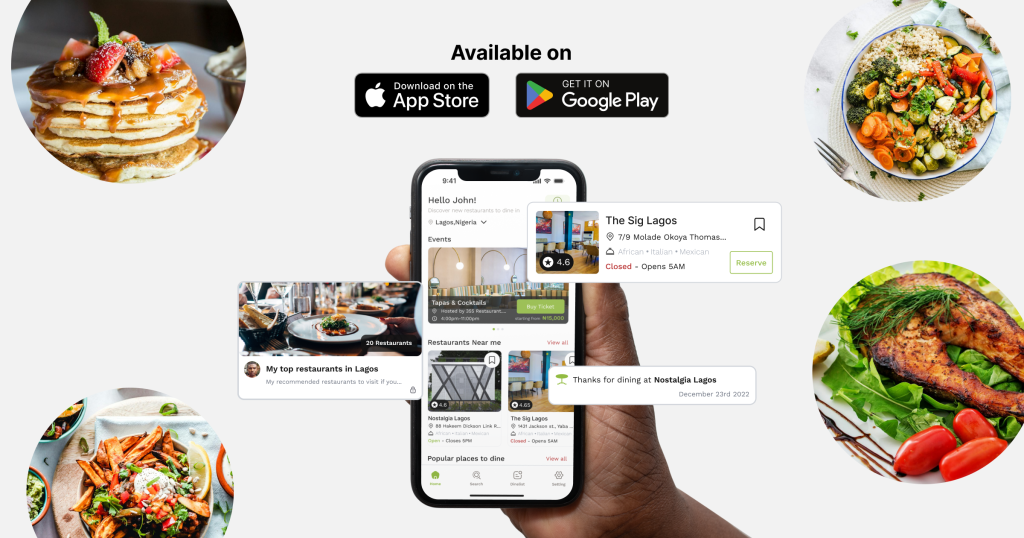
Dinesurf is built for the way African restaurants actually operate. That means understanding that WhatsApp is not a workaround or a low-tech substitute for better tools. It is the primary communication channel for millions of diners across the continent, and any platform serious about African hospitality has to meet guests where they already are.
For restaurants using Dinesurf, the goal is to move beyond manual broadcast lists and disconnected follow-ups. Reservation data, guest visit history, and communication preferences should all feed into a single view that makes personalised, timely WhatsApp outreach something any operator can do, not just the ones with a dedicated marketing team.
The restaurants leading this shift have already proved the model works. The infrastructure to scale it is what comes next.