How to Reduce Restaurant No-Shows in Nigeria: The Complete Guide
6 min read | April 10, 2026
If you run a restaurant in Lagos, Abuja, or Port Harcourt, you already know the frustration. Friday night, fully booked on paper. Then 7pm arrives and half the tables are empty, with no call and no message from anyone.
Restaurant no-shows are one of the most damaging and least discussed problems facing Nigerian hospitality operators today. They drain revenue, waste prep, demoralise staff, and make it nearly impossible to plan your service with any real confidence.
The good news is that no-shows are not inevitable. They are a systems problem, and systems problems have practical solutions. This guide breaks down exactly why they happen in the Nigerian context and what you can do to significantly reduce them.
Why No-Shows Are a Bigger Problem Here Than Operators Admit
Most restaurant owners have a rough sense that no-shows are hurting them, but very few have actually sat down to calculate the cost.
Here is a simple way to think about it. If your restaurant has 60 seats and you are running at what looks like full capacity on weekends, but 25% of your bookings do not show, that is effectively 15 seats you gave away for free. Across a month of busy weekends, the lost revenue adds up to a number that would make most operators uncomfortable.
In Nigeria, the no-show problem is made worse by factors specific to our market. Booking culture is still relatively new for many diners, and a lot of restaurants still accept reservations over WhatsApp or phone, which makes it easy to book without any real commitment. Traffic in Lagos is unpredictable enough that some guests make multiple reservations for the same evening and decide at the last minute where to go.
Without any financial stake in the booking, cancelling or simply not showing up costs the guest nothing. Most no-shows are not intentional. They are the natural result of a system that gives guests no real reason to follow through.
- Collect a Deposit at the Point of Booking
This is the single most effective thing you can do, and it works because of how human psychology functions. A guest who has paid N3,000 or N5,000 to hold their table has made a real decision. That simple fact changes the entire dynamic of the booking.
The resistance most operators have to implementing deposits is understandable. Many worry it will put guests off or that their customers simply will not accept it. But restaurants that switch to deposit-based bookings consistently see no-show rates drop sharply, in some cases by more than 80%.
A deposit is not a barrier. It is a mutual commitment that protects both parties from wasted time and lost money. Framed correctly, it actually feels like better service to the guest.
For the Nigerian market, keep the deposit amount reasonable, somewhere between 20% and 30% of a typical bill per head. Make it fully refundable for cancellations received within 24 or 48 hours, and make the payment process seamless. If collecting a deposit requires a bank transfer and a screenshot via WhatsApp, you will lose bookings before they are confirmed.
- Send Booking Confirmations and Reminders
A surprising number of restaurants in Nigeria still do not send any form of confirmation after a booking is made. The guest books over WhatsApp, someone replies "noted," and that is the last communication until the guest either shows up or does not.
A well-timed reminder sequence reduces no-shows meaningfully, even without a deposit in place. People are busy, Lagos life is chaotic, and a booking made four days ago can genuinely slip someone's mind. A reminder the day before and another a few hours before service gives guests a natural moment to confirm or cancel while there is still time to fill the table.
The medium matters more than most operators realise. WhatsApp messages have significantly higher open rates than emails in Nigeria, where WhatsApp functions as a primary communication channel for most people. A short, warm message such as "Hi Chisom, we are looking forward to seeing you tomorrow evening at 7:30pm. Please let us know if anything changes" is all it takes.
The most effective restaurants automate this process so reminders go out consistently without a staff member having to manually follow up every booking. That removes the inconsistency and saves time during a busy service week.
- Have a Clear Cancellation Policy
A deposit system works best when it is paired with a clear, reasonable cancellation policy that guests see at the time of booking. They should know exactly what happens if they cancel late or do not show up at all.
Something straightforward like "Deposits are fully refundable on cancellations made 24 hours or more before your reservation. Cancellations within 24 hours or no-shows will forfeit the deposit" is more than enough. It does not need to be aggressive or written like a legal document. It just needs to be visible and consistent.
The act of stating a cancellation policy, even before you have implemented deposits, changes how seriously guests treat a booking. It signals that this is a real reservation at a real business, not an informal arrangement that can be walked away from without consequence.
- Use a Proper Reservation Management System
Managing bookings on WhatsApp or in a physical notebook is not just inefficient, it is actively contributing to your no-show rate. When bookings are not centralised, reminders do not get sent, deposits cannot be collected automatically, and there is no way to track patterns or identify repeat offenders over time.
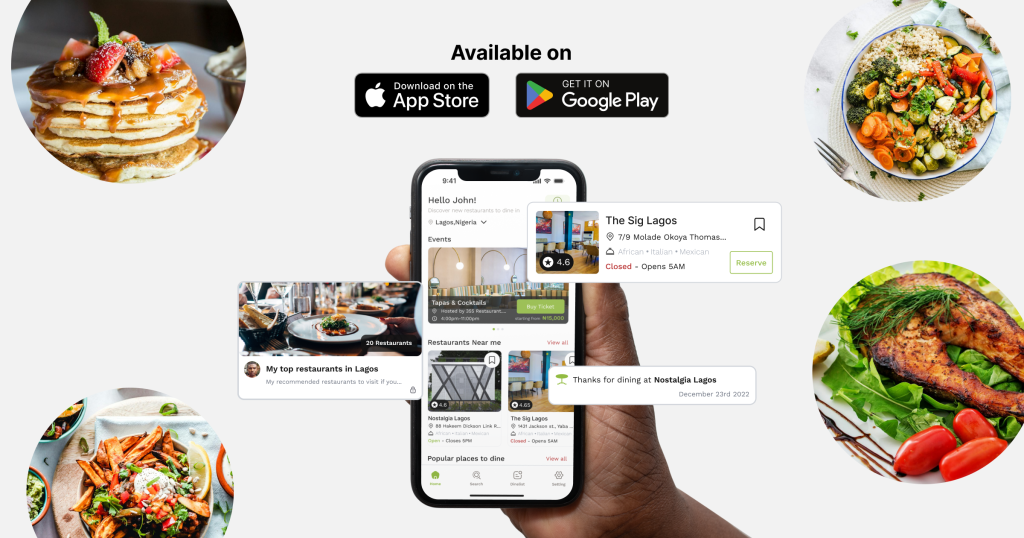
A reservation management system handles all of this in one place. It lets guests book directly from your website or social media, collects deposits at the point of booking, sends automated confirmations and reminders, and gives you a real-time view of your floor ahead of service.
The shift does not have to be complicated. Platforms like Dinesurf are built specifically for African hospitality businesses and handle the full reservation flow from booking to deposit collection to WhatsApp notifications, without requiring any technical expertise to set up or manage.
- Build a Waitlist for Busy Nights
Even with the best systems in place, some no-shows will still happen. The smartest operators plan for this by maintaining an active waitlist on peak nights rather than leaving the outcome to chance.
A waitlist converts what would otherwise be a dead table on a Friday into a filled seat and a satisfied guest who did not expect to get in. If you can fill a table within 20 minutes of a no-show, the financial damage is minimal and often nonexistent.
With the right system, managing a waitlist is largely automatic. When a confirmed guest cancels or does not show by a set time, the next person on the waitlist is notified immediately. It turns a recurring problem into a reliable recovery mechanism.
-
Know Your Guests and Track the Patterns
Not all no-shows are the same. Some guests book in good faith and genuinely cannot make it. Others have a clear pattern of booking and not showing, sometimes more than once. Without data, you cannot tell the difference and you end up extending the same trust to everyone regardless of history.
A guest database, or CRM, lets you track booking history over time and start to see those patterns clearly. You can flag guests with a history of no-shows and require a higher deposit when they book again. You can also identify your most reliable guests and prioritise them for access to busy nights, which builds loyalty.
Beyond individual guest behaviour, your data will show you which nights and booking channels carry the highest no-show risk. That allows you to adjust your deposit thresholds or overbooking strategy by day of week rather than applying one blanket policy to every situation.
The Bottom Line
Reducing restaurant no-shows in Nigeria is not about being difficult with guests or creating a cold booking experience. It is about building the kind of system that serious hospitality businesses use to protect their revenue while still serving guests well.
Deposits, reminders, a clear cancellation policy, and the right technology are not complicated additions to your operation. They are the infrastructure that turns a casual booking culture into one where both sides take the commitment seriously.
Restaurants that solve the no-show problem do not just recover lost revenue. They gain the ability to plan their service, manage their kitchen, and run their floor with far more confidence every single week.
About Dinesurf
Dinesurf is the Guest Growth OS for hospitality brands across Africa.
We help restaurants, lounges, nightlife venues, and experience-led operators attract the right guests, convert demand into paid bookings, and turn first-time visits into repeat revenue — all from one connected system.
We are not just another restaurant software. We are the commercial growth layer built specifically for African hospitality — priced for this market, backed by a local team, and invested in the growth of the continent's dining culture.