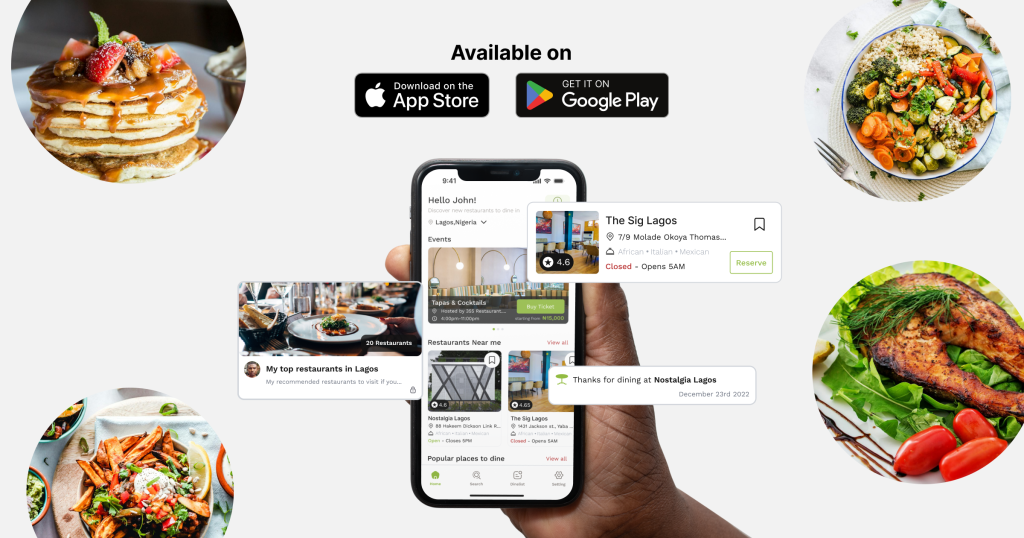
Long before a guest tastes a single dish, they have already formed an opinion about your restaurant. It happens somewhere in the scroll through Instagram, the moment a booking confirmation lands in their inbox, the walk from the car to the front door, the first few seconds after they step inside and someone either greets them warmly or leaves them standing awkwardly by the entrance. The restaurant guest experience does not begin when food hits the table. It begins the moment a potential guest first considers you at all, and every step between that moment and the first bite either builds trust or quietly chips away at it.
This article walks through the full arc of the restaurant guest experience, from that first digital impression through to the meal itself, and why restaurant owners who treat this as one continuous journey, rather than a series of disconnected touchpoints, tend to build far stronger guest loyalty than those who only focus on what happens once someone is already seated.
It is tempting to think that good food and friendly service are enough, and that everything before a guest sits down is secondary. Research from Cornell University's School of Hotel Administration challenges that assumption directly. A study published in Cornell Hospitality Quarterly found that a guest's intention to return to a restaurant, not simply their satisfaction with a single visit, explained 55 percent of the variance in sales across restaurant locations, making return intention a stronger predictor of financial performance than satisfaction scores alone. In other words, a restaurant can serve a perfectly satisfying meal and still fail to build the kind of loyalty that actually drives revenue, because satisfaction with one visit does not automatically translate into a guest choosing to come back.
This distinction matters enormously for how restaurant owners should think about the guest experience. It is not enough to get the meal right. The full experience, from how easy it was to book, to how welcomed a guest felt walking in, to how the meal's pace matched what they actually wanted that evening, all contribute to whether someone leaves thinking "I would come back" rather than simply "that was fine."
For most guests today, the restaurant guest experience begins on a screen, not at the door. A blurry, outdated photo on Google, a website that takes too long to load, or a booking process that requires five confusing steps all create friction before a guest has spent a single naira. This first digital impression sets expectations that the physical experience then either confirms or contradicts.
A few things matter disproportionately here. Photos should reflect what the restaurant actually looks and feels like, not stock imagery or heavily filtered shots that create a gap between expectation and reality. Booking should be simple enough that a guest can secure a table in under a minute, whether through a website, a WhatsApp message, or a phone call that gets answered promptly. Response time to inquiries also quietly shapes perception, a restaurant that replies within minutes signals attentiveness before a guest has even walked in, while a slow or unanswered message signals the opposite.
The walk from the car or the street to an actual table is a surprisingly high stakes stretch of the guest experience, and one many restaurants underinvest in. A guest who booked online with a specific expectation deserves to feel, within the first thirty seconds of walking in, that the reality matches what they were promised. Being greeted promptly, having a reservation actually be ready rather than causing confusion at the host stand, and being guided to a table smoothly rather than left standing while staff figure out the seating chart, all set the tone for everything that follows.
This stretch also carries real emotional weight for guests marking a specific occasion, a birthday, an anniversary, a first date. A restaurant that has taken note of these details ahead of time, through a booking note or a brief conversation, and acknowledges them warmly on arrival, creates a moment of genuine delight before a single dish has been served.
Once a guest is seated, Cornell's Center for Hospitality Research has studied a factor that often gets overlooked in conversations about guest experience, meal pace. Their research found that guest satisfaction is strongly tied to perception of how a meal's pace feels, and that both rushing a meal and dragging it out unnecessarily hurt satisfaction, with the ideal pace varying depending on the type of restaurant and what a guest came in expecting that evening. A guest looking for a quick, efficient lunch during a workday has a very different tolerance for pacing than a couple settling in for a slow anniversary dinner, and restaurants that apply one uniform pace to every table regardless of context risk misreading what a specific guest actually wants from that visit.
This means the guest experience during the meal itself is less about speed for its own sake and more about reading what each table actually needs, an insight that requires attentive staff empowered to adjust their approach table by table, rather than a single rigid service script applied uniformly across the room.
For restaurants operating in Lagos, a couple of stages in this journey carry extra weight. Traffic and unpredictable commute times mean the gap between a guest booking a table and actually arriving is often longer and more uncertain than in cities with shorter, more predictable travel. A restaurant that stays flexible with reservation windows, and communicates warmly rather than punitively when a guest is running late, protects the arrival experience even when circumstances outside anyone's control get in the way.
WhatsApp also plays an outsized role in the first click stage here compared to many other markets. Many guests in Lagos still prefer messaging a restaurant directly to ask questions or confirm a booking rather than using a formal online reservation system, which means a restaurant's responsiveness on WhatsApp specifically deserves the same attention typically given to a website or booking platform.
The restaurants that manage the guest experience well tend to think about it as one continuous thread rather than separate departments, marketing handles the first click, the host handles arrival, servers handle the meal, with no one owning the full picture. Mapping out the entire journey a guest actually takes, from the first search that leads them to your restaurant through to the moment they leave, tends to reveal gaps that are invisible when each stage is considered in isolation. A restaurant with beautiful food and warm service can still lose guests at the booking stage if the process is frustrating, just as a restaurant with an excellent website can lose guests at the door if the arrival experience does not match what was promised online.
Regularly reviewing this journey, ideally by occasionally experiencing it as a guest would, booking a table anonymously, walking in as a first timer, paying close attention to what actually happens at each step, surfaces friction points that staff immersed in daily operations often stop noticing entirely.
The restaurant guest experience ultimately determines something more valuable than a single good review, whether a guest decides, somewhere between their first click and their first bite, that this is a place worth coming back to. Restaurants that treat every stage of that journey with the same care they bring to the kitchen tend to build the kind of loyal, returning guest base that Cornell's research shows actually drives long term financial performance, far more reliably than satisfaction with any single visit ever could. Getting the food right will always matter. But it is everything surrounding that first bite, the click, the booking, the walk in, the pace of the meal, that determines whether a guest becomes a regular or simply a one time visitor.
This same thread runs through much of what separates restaurants that grow steadily from those that struggle to build repeat business. For more on the specific systems that turn a good first visit into a lasting relationship, see our piece on building a restaurant loyalty program beyond discounts.
Dinesurf is the Guest Growth OS for hospitality brands across Africa.
We help restaurants, lounges, nightlife venues, and experience-led operators attract the right guests, convert demand into paid bookings, and turn first-time visits into repeat revenue, all from one connected system.
We are not just another restaurant software. We are the commercial growth layer built specifically for African hospitality — priced for this market, backed by a local team, and invested in the growth of the continent's dining culture.