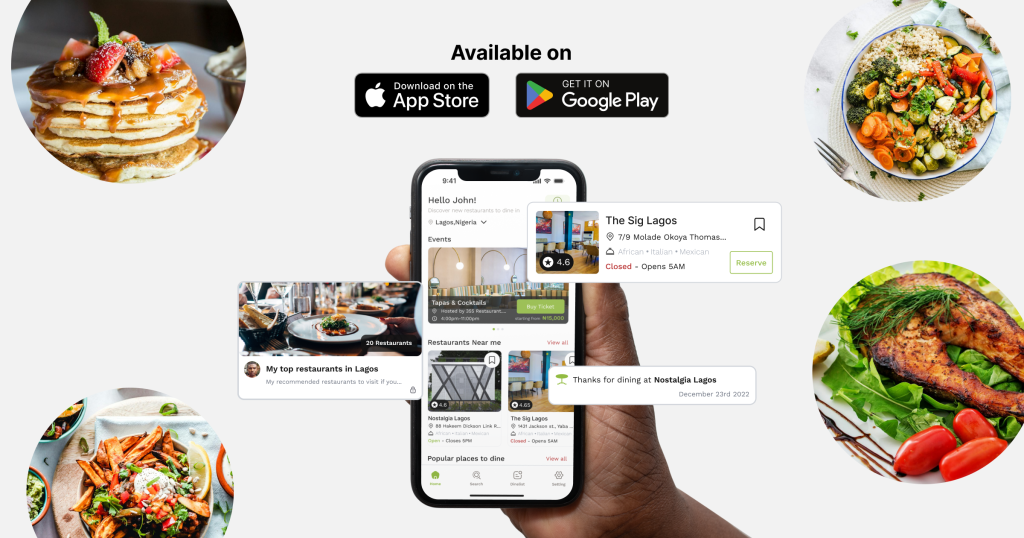
Every restaurant owner knows the feeling. The kitchen is prepped, the staff are dressed and ready, the playlist is set, and yet the dining room stays half empty. If you are trying to increase restaurant sales but keep hitting the same quiet Tuesdays and sleepy Mondays, you are not alone. Slow nights are one of the most common and most misunderstood problems in the hospitality business. The good news is that they are rarely random. Once you understand why they happen, you can build real strategies to turn them around.
This article breaks down the common causes of slow nights and shares practical, proven ways to increase restaurant sales, whether you are running an established restaurant, managing a hotel dining room, or just starting out in the food business.
Slow nights are not a sign that something is broken. In most cases, they follow predictable patterns tied to how people live, work, and spend.
Once you understand what is driving the quiet nights, the next step is building a plan that fills them. None of the strategies below require a large budget. They require consistency and a clear understanding of your guests.
1. Give Slow Nights a Reason to Exist
Instead of treating a quiet Tuesday as a loss, give it an identity. A themed night, a limited menu offer, or a live event turns an ordinary evening into something guests plan around. This is exactly the thinking behind recurring events like karaoke nights or themed cocktail evenings, where guests show up not just for the food but for the experience built around a specific night of the week.
2. Lean on the Guests You Already Have
Acquiring a new customer costs significantly more than keeping an existing one, yet many restaurants still spend most of their marketing energy chasing first timers. Building simple retention habits, from a WhatsApp broadcast list to a birthday discount, keeps your restaurant on guests' minds without requiring a large advertising spend. As Infobip notes in its guide to customer retention strategies, personalized engagement built on real customer data and consistent communication across channels is one of the most reliable ways to build long term loyalty rather than one-time visits.
3. Use Local SEO to Fill Real Time Gaps
Your website and Google listing should work as hard as your front of house team. Make sure your hours, location, and standout dishes are clearly listed, and use natural, location specific language throughout your site and blog content, since this is often how new guests find you before they ever see your storefront. A well optimized online presence helps you show up when someone nearby is deciding where to eat right now, which is often the exact moment that determines whether a slow night stays slow.
4. Bundle Value Instead of Just Cutting Prices
Constant discounting can train guests to wait for deals rather than visit out of genuine interest. A better approach is to bundle value, such as a fixed price set menu, a drink included with a main course, or a group offer for a specific night. This protects your margins while still giving guests a reason to choose your restaurant over eating at home.
5. Build Corporate and Community Partnerships
Slow weekday afternoons and early evenings are often ideal for catering, private bookings, or partnerships with nearby offices. A standing lunch arrangement with a local business or a recurring booking with a community group can convert an otherwise quiet period into consistent, predictable revenue.
6. Track What Is Actually Working
Guessing which strategy works rarely leads to lasting growth. Reviewing bookings, sales, and guest feedback regularly helps you understand which nights, offers, and events are actually moving the needle, so you can double down on what works and quietly retire what does not. Nigeria's restaurant and dining scene is shifting quickly, and BusinessDay's coverage of 2026 trends highlights how much operators now rely on data and design choices, not guesswork, to stay ahead of shifting guest expectations.
7. Manage Staffing and Atmosphere With Intention
A half empty dining room can feel deflating for staff and guests alike, and that energy is contagious. Rather than running a full team through a quiet shift, some restaurants schedule a smaller, more attentive crew on slow nights so that service feels warm and unhurried instead of anxious. A quiet room can also be reframed as an advantage. Lower noise, more attentive servers, and a relaxed pace can appeal directly to guests looking for a date night, a quiet business meeting, or simply a break from the usual weekend crowd. Positioning a slow night as an intimate experience rather than apologizing for it can shift how guests perceive the visit entirely.
8. Let Your Menu Do Some of the Work
A slow night is a good opportunity to test new dishes or seasonal specials without the pressure of a fully booked room. Limited time offerings create urgency and give guests a reason to return before the item disappears from the menu. They also give your team a low risk way to gather feedback before committing a new dish to the full menu permanently. Restaurants that treat their slower periods as a testing ground, rather than a period to simply survive, often find they build a stronger, more responsive menu over time.
The restaurants that consistently grow their sales are rarely the ones running the loudest promotions. They are the ones that understand their guests well enough to know exactly what will bring them back on a Tuesday night. Slow nights are not a permanent condition. They are a signal, and once you know how to read it, you can respond with a strategy rather than a discount.
If you are building out your own guest growth strategy, it can help to look at how other restaurants structure their retention systems and content calendars. For more on building consistent guest engagement, see our guide on restaurant guest retention strategies and our breakdown of understanding your restaurant's true food cost.
Growing sales on slow nights is not about working harder on the same old tactics. It is about understanding your guests, giving them a reason to show up, and building the systems that keep bringing them back long after the first visit.
Whether you are running a single neighborhood spot or managing a growing group of restaurants, the principle stays the same. Slow nights respond to attention, not luck. Every quiet Tuesday holds information about your guests, your pricing, your menu, and your visibility online. Restaurants that treat that information as useful data, rather than something to dread, are the ones that end up with fuller rooms and steadier revenue across every night of the week, not just the busy ones.
Dinesurf is the Guest Growth OS for hospitality brands across Africa.
We help restaurants, lounges, nightlife venues, and experience-led operators attract the right guests, convert demand into paid bookings, and turn first-time visits into repeat revenue, all from one connected system.
We are not just another restaurant software. We are the commercial growth layer built specifically for African hospitality — priced for this market, backed by a local team, and invested in the growth of the continent's dining culture.