There is a version of upselling that every diner in Lagos, Nairobi, and Accra has experienced at least once and did not enjoy. The server who recites the specials with the enthusiasm of someone reading terms and conditions. The waiter who asks if you want a starter before you have even settled into your seat. The pressure that turns what should be a relaxed evening into something that feels transactional.
That version of upselling does not work anywhere. But it is especially ineffective in the African dining context, where hospitality is personal, relationships between guests and restaurants run deep, and a pushy interaction can undo months of goodwill in a single evening.
The good news is that done well, upselling is not pushy at all. It is generous. It is a server who knows the menu well enough to make your evening better than you planned. It is a restaurant that understands its guests well enough to offer them something they did not know they wanted. And in a market where margins are under consistent pressure from inflation, rising food costs, and the growing commission demands of delivery platforms, it is also one of the most powerful tools a restaurant owner has.
Here is what actually works.
The foundation of every effective upselling interaction is genuine knowledge. Not a rehearsed line about the chef's special. Not a memorised list of add-ons. Actual, confident familiarity with the food.
When a server can describe a dish in a way that makes the guest taste it before it arrives, the recommendation stops feeling like a sales pitch and starts feeling like insider information. There is a significant difference between "would you like to add a side?" and "the ofada rice is really good with this one, the sauce cuts through the richness of the goat meat in a way that makes both taste better."
The second version works because it is specific, it is confident, and it communicates that the server has either eaten the food or understands it deeply enough to speak about it with authority. That kind of recommendation earns trust rather than triggering resistance.
Restaurant owners and managers need to invest in this foundation before anything else. Regular menu tastings, briefings when new dishes are introduced, and honest conversations between the kitchen and the front-of-house team about what pairs well and why, these habits are the infrastructure on which good upselling is built.
African dining culture is varied and context-sensitive. A table of four friends celebrating a birthday in Victoria Island is not the same as two colleagues having a working lunch in Westlands. A family marking a graduation in Kigali is not the same as a couple on a quiet midweek dinner in Lekki Phase 1.
The best servers in the best restaurants across the continent already know this intuitively. They read body language before they open their mouths. They notice whether guests are in a rush or settling in. They pick up on the mood of the table and calibrate accordingly.
Upselling to a table that is clearly watching the clock is a losing battle. Upselling to a table that is relaxed, ordering cocktails, and laughing before the menu has even arrived is simply good hospitality.
Training front-of-house staff to read tables before they attempt any recommendation is one of the highest-return investments a restaurant owner can make. It does not require expensive tools. It requires observation, experience, and the confidence to let the moment dictate the approach rather than following a rigid sequence.
Even a well-delivered recommendation lands badly if it arrives at the wrong moment. The timing of an upsell matters as much as the content of it.
Drinks and starters should be suggested early, naturally, as guests are settling in and looking at the menu. This is the moment when people are most open to possibility and least committed to a plan. A confident recommendation at this stage feels like hospitality, not selling.
Premium main course upgrades work best when the server already has a read on what the guest is leaning toward. Suggesting a larger portion, a premium cut, or a more elaborate version of a dish the guest has already expressed interest in feels responsive rather than opportunistic.
Desserts require a different approach entirely. In many African restaurants, dessert is still an underperforming category, not because guests do not want it, but because it is offered too abruptly after the main course in a way that feels like an afterthought. The restaurants getting this right are mentioning specific desserts during the meal, building anticipation rather than springing a question at the end of the table.
A server who says "save a little room, the chin chin cheesecake is worth it" midway through the main course is doing something different from one who asks "would you like dessert?" when the plates are being cleared. The first is a recommendation. The second is a closing question that is easy to decline.
Across African markets, pairing is one of the most natural and effective upselling frameworks available. Food and drink pairings in particular are still an underutilised tool in many restaurants despite the fact that they genuinely enhance the dining experience when they are right.
The reason pairing works so well is that it reframes the upsell entirely. Instead of asking a guest to spend more, you are offering them a better version of the meal they have already decided to have. The bottle of palm wine that elevates the pepper soup. The freshly blended zobo that cuts through the richness of a heavy stew. The single malt that completes the experience of a well-aged beef dish.
These recommendations do not feel like upsells. They feel like curation. And in a market where guests are increasingly sophisticated about food and drink, the server who can make a genuine pairing recommendation with confidence is adding real value to the evening.
This approach also works beyond drinks. Side dishes, sauces, and condiments that complement the main order are all legitimate pairing opportunities. The key is to recommend them in a language of enhancement rather than addition. Not "do you want to add anything?" but "the grilled plantain works really well alongside that, it balances the heat."
The menu is the most underutilised upselling tool in most African restaurants. Most menus are lists. The best menus are conversations.
High-margin dishes deserve positioning that reflects their value. Placing them at the top of a category or in a visually distinct section draws the eye naturally without any server involvement. Descriptive language that goes beyond the name of the dish, that communicates the sourcing, the preparation, or the flavour profile, creates desire before the server has said a word.
Restaurants that have invested in menu photography have seen meaningful increases in orders for the dishes that are photographed. This is not surprising. In a culture where food is visual and social media has made presentation a central part of the dining experience, a well-photographed dish on a menu is doing active selling work around the clock.
The menu should also be reviewed regularly for what it is actually encouraging guests to order versus what the restaurant most wants to sell. If your highest-margin dish is buried at the bottom of the second page, the menu is working against you.
One of the most common mistakes restaurant owners make with upselling is treating it as a personality trait rather than a skill. The assumption that some servers are naturally good at it and others are not leads to inconsistent guest experiences and a front-of-house team that has no shared language around recommendations.
Upselling is trainable. It requires regular practice, honest feedback, and a team culture that sees guest recommendations as part of the job rather than an awkward extra. Role-playing scenarios during pre-service briefings, reviewing what worked and what did not after service, and celebrating servers who made recommendations that enhanced the guest experience are all habits that build this consistency over time.
The goal is not a team of closers. It is a team that is confident, knowledgeable, and genuinely invested in making every guest's experience better than they expected. When that is the culture of the front-of-house, upselling stops being a technique and becomes an expression of hospitality.
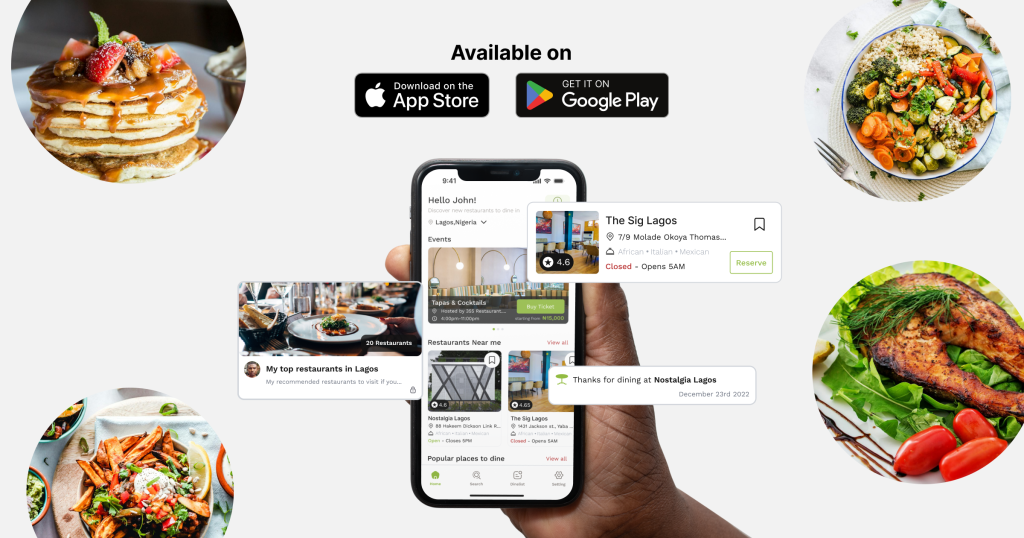
The restaurants on Dinesurf that are seeing the highest repeat visit rates are not guessing what their guests want. They know. They know which guests always order a particular dish. They know which tables reliably order wine. They know which regulars are likely to celebrate an occasion in the next few weeks based on booking history.
This kind of data turns upselling from a floor-level interaction into a pre-arrival strategy. A guest who always orders a specific starter can be greeted with it already confirmed. A regular celebrating a birthday can have a dessert waiting without asking. A table that historically spends well on drinks can be assigned a server with the confidence to make wine recommendations.
This is not complicated technology. It is the application of simple guest data to create interactions that feel personal rather than procedural. And in a continent where hospitality has always been rooted in genuine human connection, the restaurants that use data to make their guests feel known rather than processed are the ones that are building something that delivery apps and new competitors cannot easily replicate.
Restaurant upselling techniques only work when they sit within a broader culture of genuine hospitality. The goal is never to extract as much money as possible from a single cover. The goal is to make the guest's experience richer, more enjoyable, and more memorable than it would have been without the recommendation.
When that is the frame, upselling stops feeling like a sales function and becomes something closer to what great African hospitality has always been: attentive, generous, and deeply invested in making the person across the table feel well taken care of.
The revenue follows. It always does.
Dinesurf is the Guest Growth OS for hospitality brands across Africa.
We help restaurants, lounges, nightlife venues, and experience-led operators attract the right guests, convert demand into paid bookings, and turn first-time visits into repeat revenue, all from one connected system.
We are not just another restaurant software. We are the commercial growth layer built specifically for African hospitality — priced for this market, backed by a local team, and invested in the growth of the continent's dining culture.